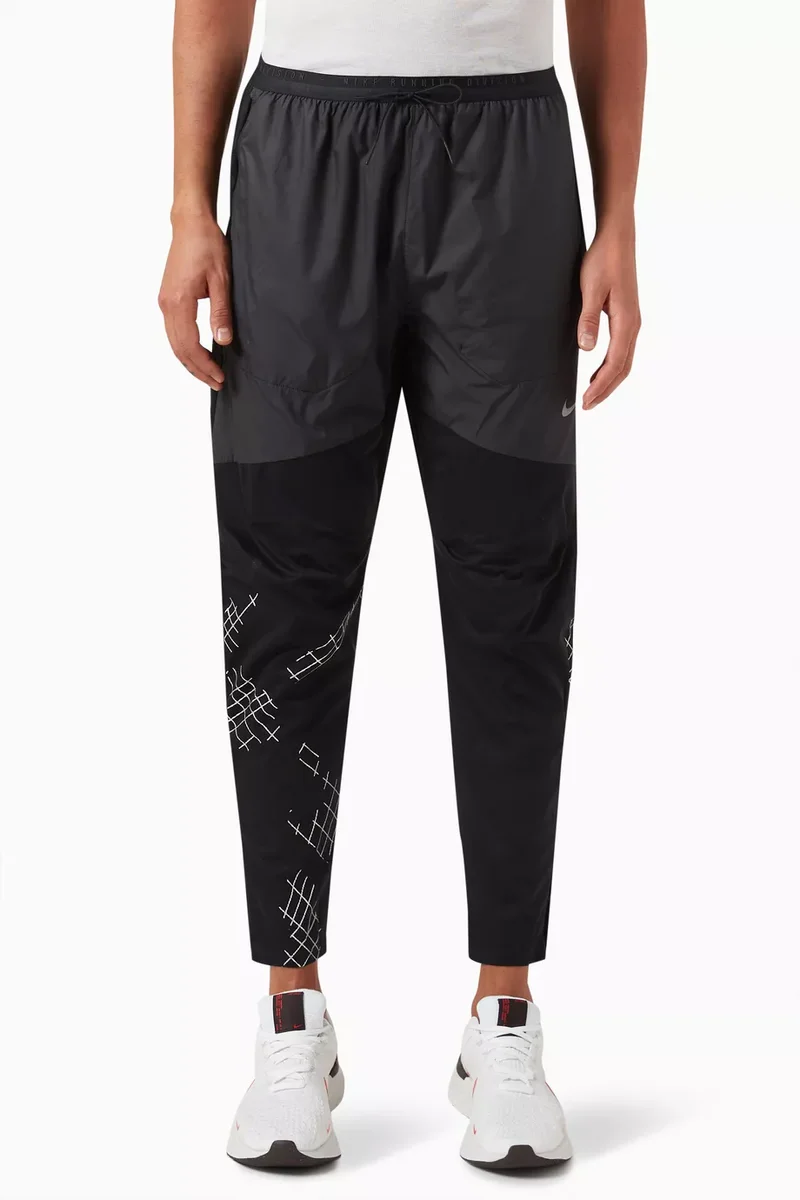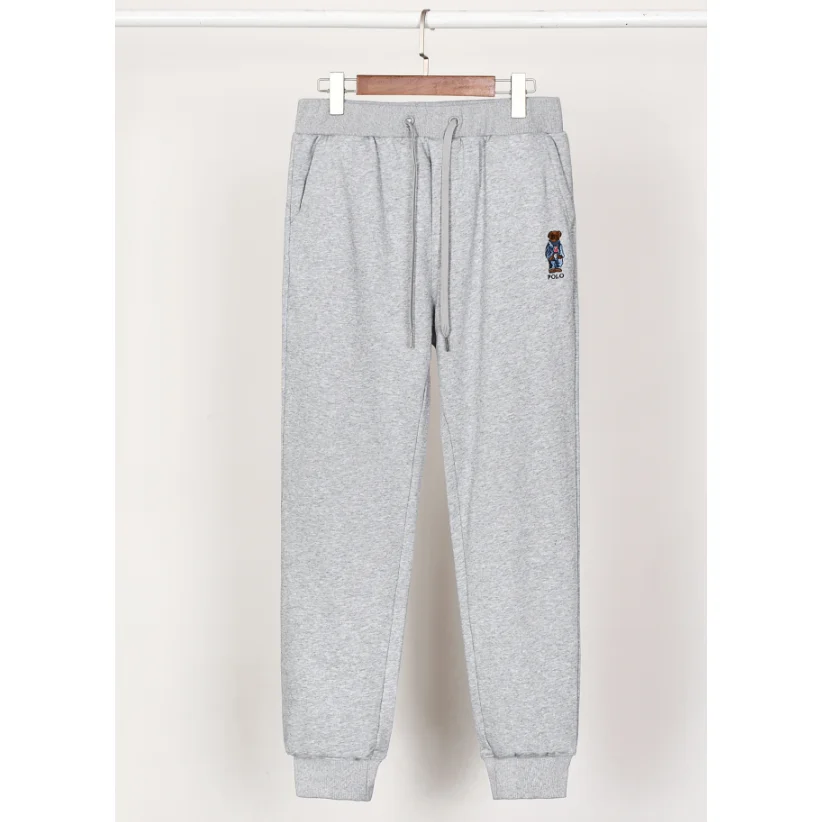
Fit & materials
Clothing Labels: Fibre Percentages & Recycled Content
Start with the label: which material, what percentage and which part of the garment? Composition and recycled content alone do not establish quality.

On this page
Start with the actual garment label. Record the fibre percentages and whether they describe the outer fabric, lining or filling. A recycled-content statement answers a different question from durability or quality.
Start with the product label
Record the stated fibre percentages and which part they describe: outer fabric, lining, filling or the whole item. Ask what the recycled percentage refers to if that basis is missing. Keep composition separate from construction, care instructions and durability claims.
The product-level claim
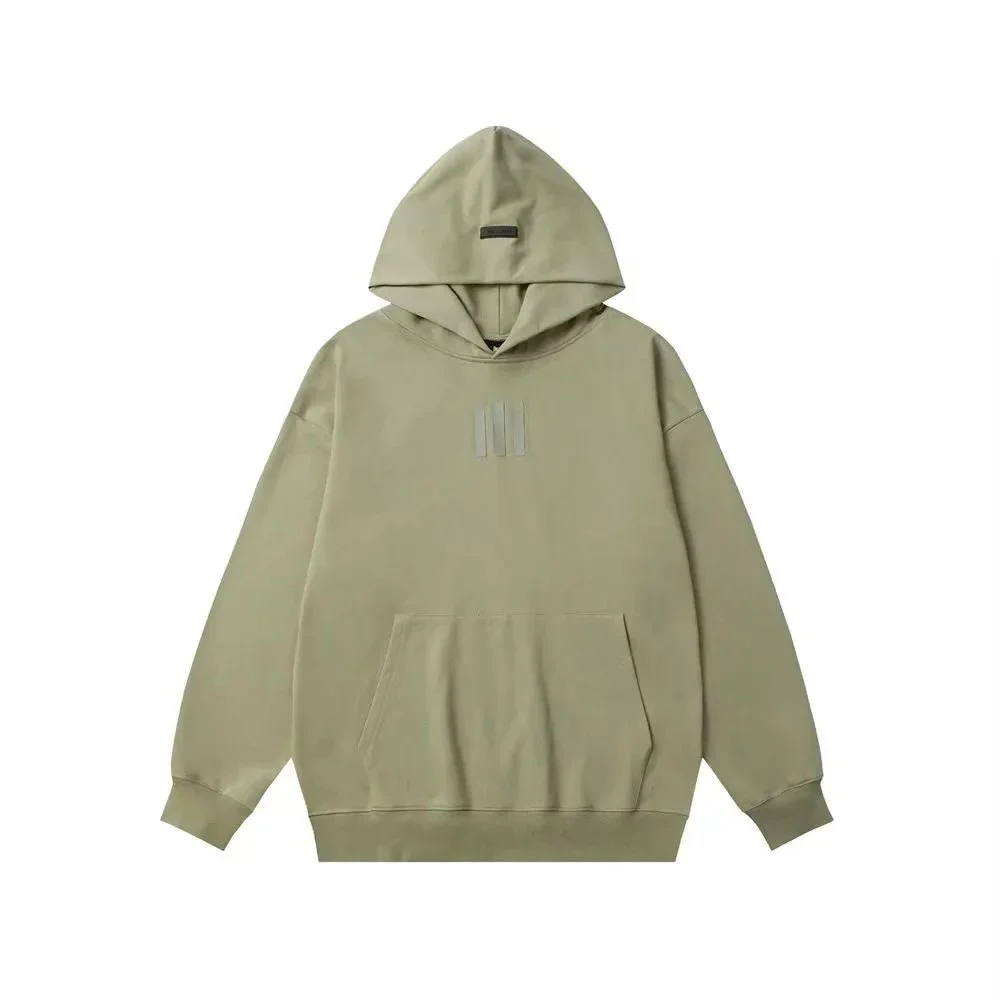
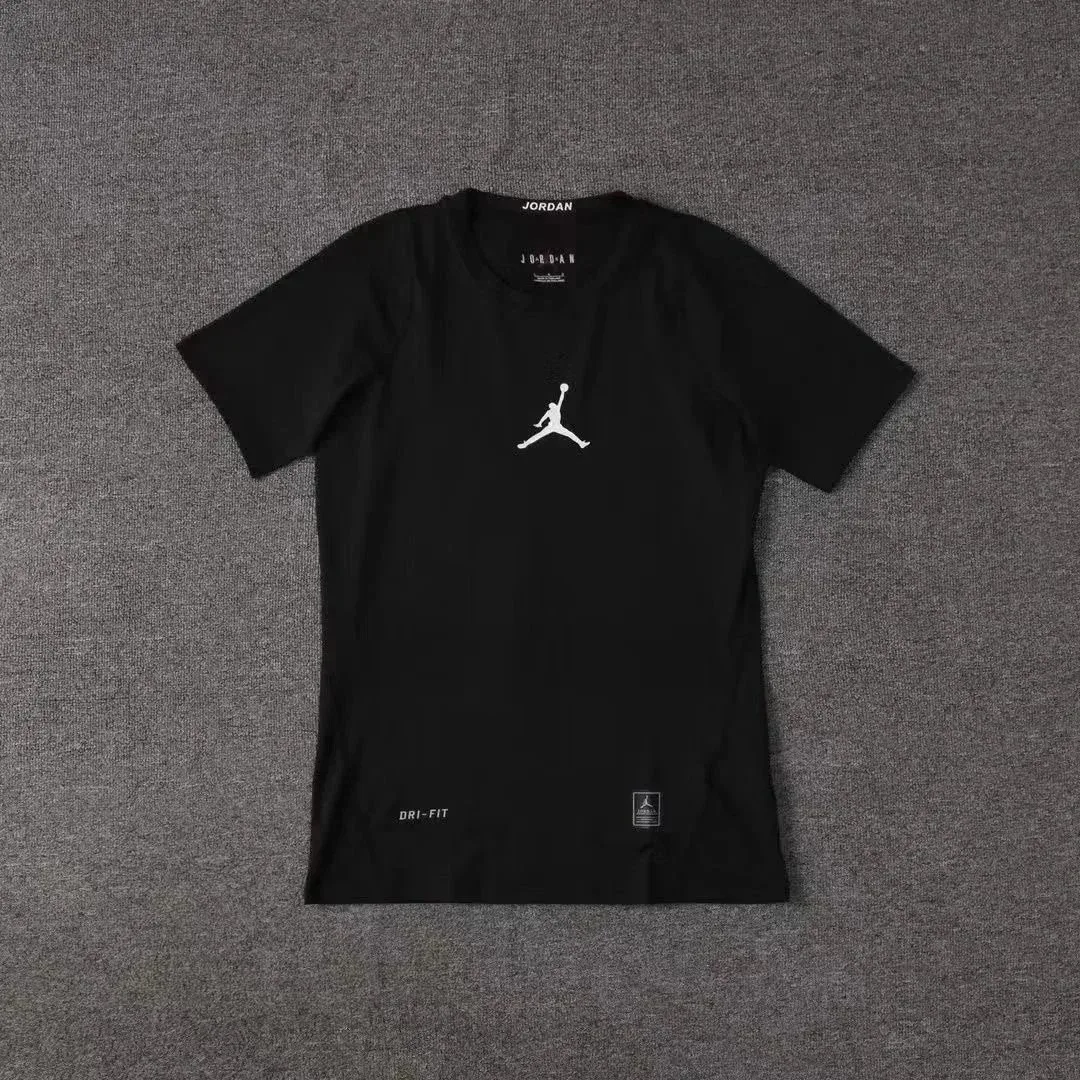
An individual garment needs its own description. A global market share cannot establish the composition of a particular T-shirt, and a familiar surface in a photograph cannot provide a fibre percentage.
| Statement in a hypothetical listing | Information supplied | Question left open |
|---|---|---|
| “80% cotton, 20% polyester” | The stated fibre mix for the described material | Fabric construction, weight and feedstock origin |
| “Recycled polyester lining” | A recycled claim concerning the lining | The outer material and the precise scope or proportion of recycled content |
| “Recycled packaging” | A claim about the packaging | The garment’s composition and material origin |
The examples show why the object of a claim matters. Moving from a lining statement to a conclusion about an entire jacket changes the scope. Moving from packaging to clothing changes the object altogether.
Composition is one part of the description
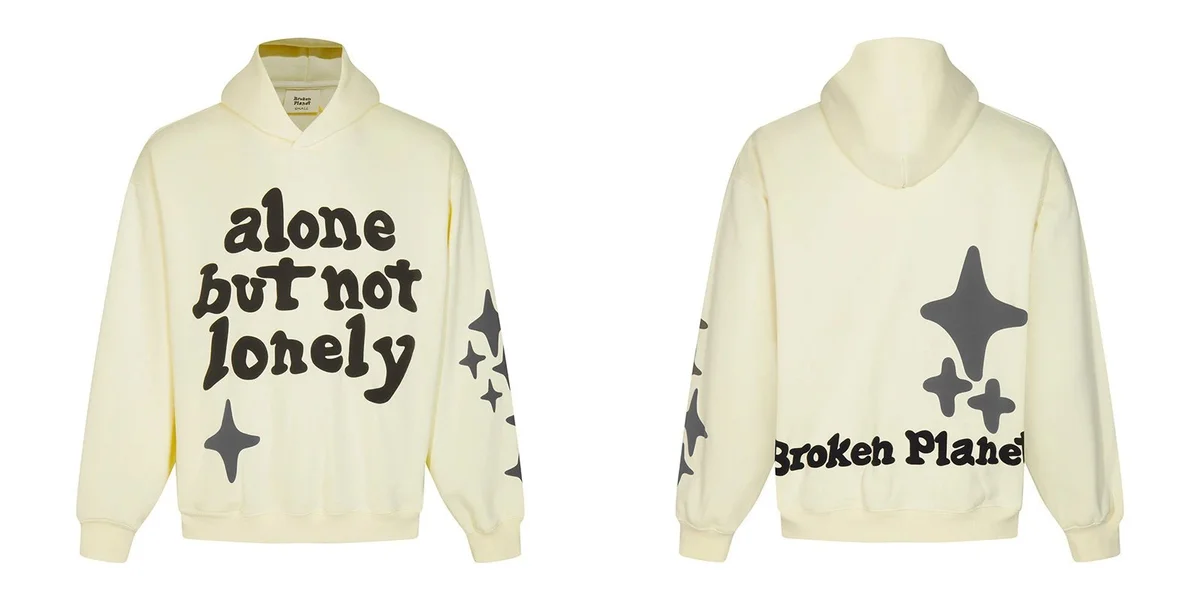
Two hypothetical sweatshirts could share an 80/20 fibre statement while differing in fabric mass, interior finish and body shape. The composition would be a useful similarity, but it would not describe the whole wearing experience.
The hoodie-fabric article separates those attributes in more detail. The distinction also explains why a cotton percentage should not be used as a substitute for the dimensions or construction a buyer actually wants to compare.
A percentage needs a defined denominator
An illustrative blend makes the issue concrete. Suppose a fabric is described as 40% cotton and 60% polyester, with half of its polyester content explicitly identified as recycled. In that example, recycled polyester represents 30% of the fabric: 60% multiplied by one half.
| Material in 100 g of the hypothetical fabric | Mass |
|---|---|
| Cotton | 40 g |
| Recycled polyester | 30 g |
| Other polyester | 30 g |
The example depends on the wording “half of its polyester content.” If a listing instead says “50% recycled polyester,” its intended denominator needs to be understood from the complete statement. The percentage cannot be moved between the polyester fraction and the whole fabric without changing the calculation.
This is a useful distinction for spreadsheet comparisons. Two entries can both use a recycled-material phrase while describing different amounts or components. A short card may help discover the product, but the complete material statement determines what can actually be compared.
The boundary between a fabric and a whole product
A lined jacket contains more than one material subject. An outer fabric, lining, filling and trim may each have their own description. A claim about one of those subjects cannot automatically stand in for the complete garment.
Imagine a simplified example with a 400 g outer fabric and a 100 g lining. If only the lining is stated to be entirely recycled, the lining accounts for 20% of those two fabric components by mass. The calculation says nothing about recycled content in the outer fabric, and it excludes every other part of the finished jacket.
The same limitation appears when packaging enters the description. A recycled box is information about the box. It may be relevant to how an order is presented, but it does not determine the fibres inside the garment. Keeping the named component attached to the claim produces a clearer description than combining every positive material statement into one overall label.
Recycled input and future recyclability
The Ellen MacArthur Foundation’s fashion vision treats the materials used, a product’s time in use and its ability to circulate again as related parts of a larger system. This provides a useful context for separating a recycled-input claim from a claim about what will happen after the item is used.
“Recycled” describes the stated origin of material already used in the product. A future recycling claim concerns another stage, involving the product’s construction and an available collection and processing route. Knowing the first does not, on its own, identify the second.
For a reader comparing garments, this means that a recycled percentage answers a specific question well when its scope is clear. It does not answer every question about repair, reuse or end-of-life handling. Those subjects need their own evidence instead of being inferred from a familiar word on the material label.
Composition and durability need different evidence
A cotton-rich description can be attractive to someone seeking a particular type of fabric. It still leaves the fabric construction, garment design and demonstrated behavior to be considered. Two items with the same fibre percentages can provide different product descriptions and different reasons to investigate them.
Durability is also a property with a context. A claim about resistance to a particular kind of wear needs a relevant assessment or a clearly described wearing history. A close-up of a new garment can show its visible condition at that moment, while a material percentage does a different job.
Care information adds another practical dimension without resolving every performance question. A stated washing or drying instruction describes how the item is intended to be maintained. It is useful alongside composition and construction; it is not a measured account of what will happen to every garment in every household.
A precise claim can still leave an incomplete picture
Suppose one sweatshirt lists a complete fibre mix and another says only “cotton feel.” The first gives more explicit composition information. That difference in documentation does not prove that the first sweatshirt has better construction, or that the second has a particular undisclosed composition.
This distinction avoids rewarding confidence in the wording more than the underlying evidence. A clear percentage can support a material comparison. Missing specifications remain missing, even if the product image looks familiar. An unsupported assumption would make a comparison appear more complete while removing the reader’s ability to see what is still unknown.
For the Okeyhaul spreadsheet, material information is therefore one layer in a wider product record. It can be read beside the exact option, dimensions and available photographs. The result is a more specific candidate to consider, with each claim limited to the part of the product and the property it actually describes.
The market context
Textile Exchange’s Materials Market Report 2026 estimates that global fibre production reached 139 million tonnes in 2025, compared with 132 million tonnes in 2024. Polyester accounted for 59% of that production and cotton 18%. The denominator covers fibre production across end uses, rather than the number of garments sold.
The report also states that 97% of recycled polyester produced in 2025 came from plastic bottles. That percentage describes the feedstock of the recycled-polyester segment. It is not the proportion of all polyester that was recycled. The two statements concern different parts of the production picture.
Evidence at the appropriate scale
The report’s production figures provide context for the textile industry. A product claim needs information tied to that product and to the material or component named in the claim. Neither type of evidence replaces the other.
For a reader comparing T-shirt finds, the useful result is a more exact description: which material, what proportion, which part of the garment and what supporting information? Durability and overall environmental impact are further questions requiring their own evidence. A material name becomes more helpful when it carries a defined meaning rather than every expectation attached to it.
Sources & editorial notes
Checked on . This article combines independently written analysis with the published evidence below.
- Textile ExchangeMaterials Market Report 2026
Published 22 September 2026; production data for 2025
Estimated total fibre production of 139 million tonnes; polyester’s 59% share; cotton’s 18% share; and the report’s statement that 97% of recycled polyester came from plastic bottles. The denominator is global fibre production across end uses, not garments in this selection.
- Ellen MacArthur FoundationKeeping fashion and textiles in use
Current overview checked 21 November 2026
The relationship between material inputs, extended product use, design for circulation and collection or recovery infrastructure. This system-level vision is not a certification or impact assessment of a catalog item.
Examples and interpretations are identified in the text. Research findings do not establish the quality, availability or performance of individual products in our selection.