Shopping decisions
Product Photos: Seller Images, QC & After-Delivery Views
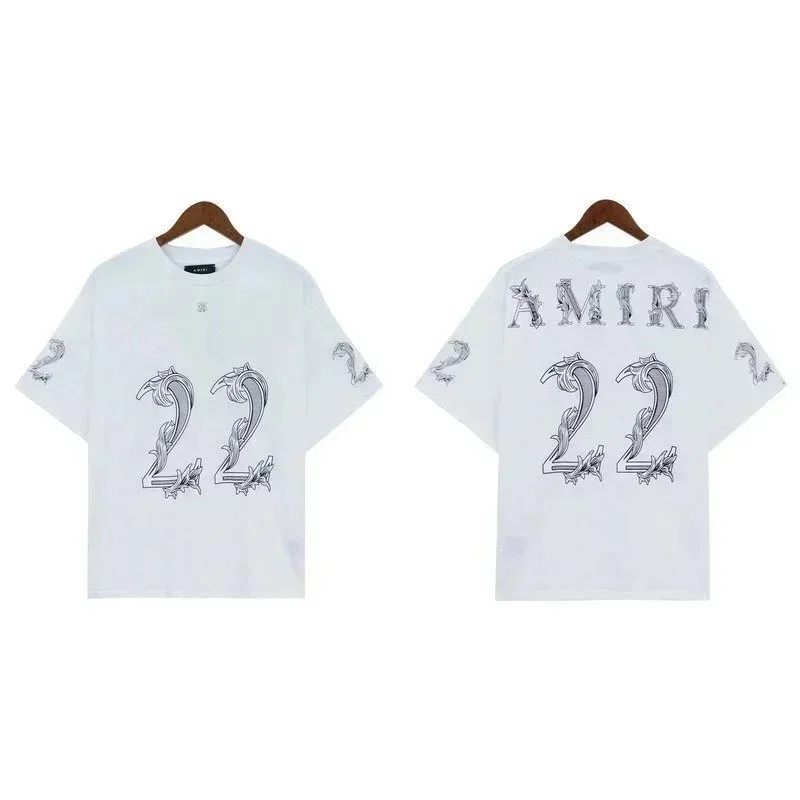
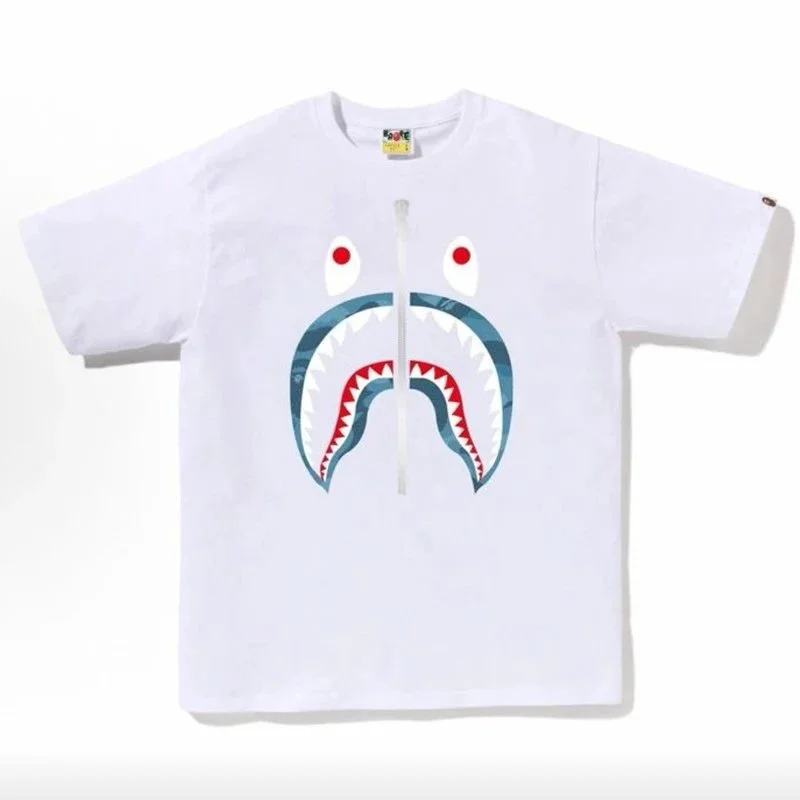
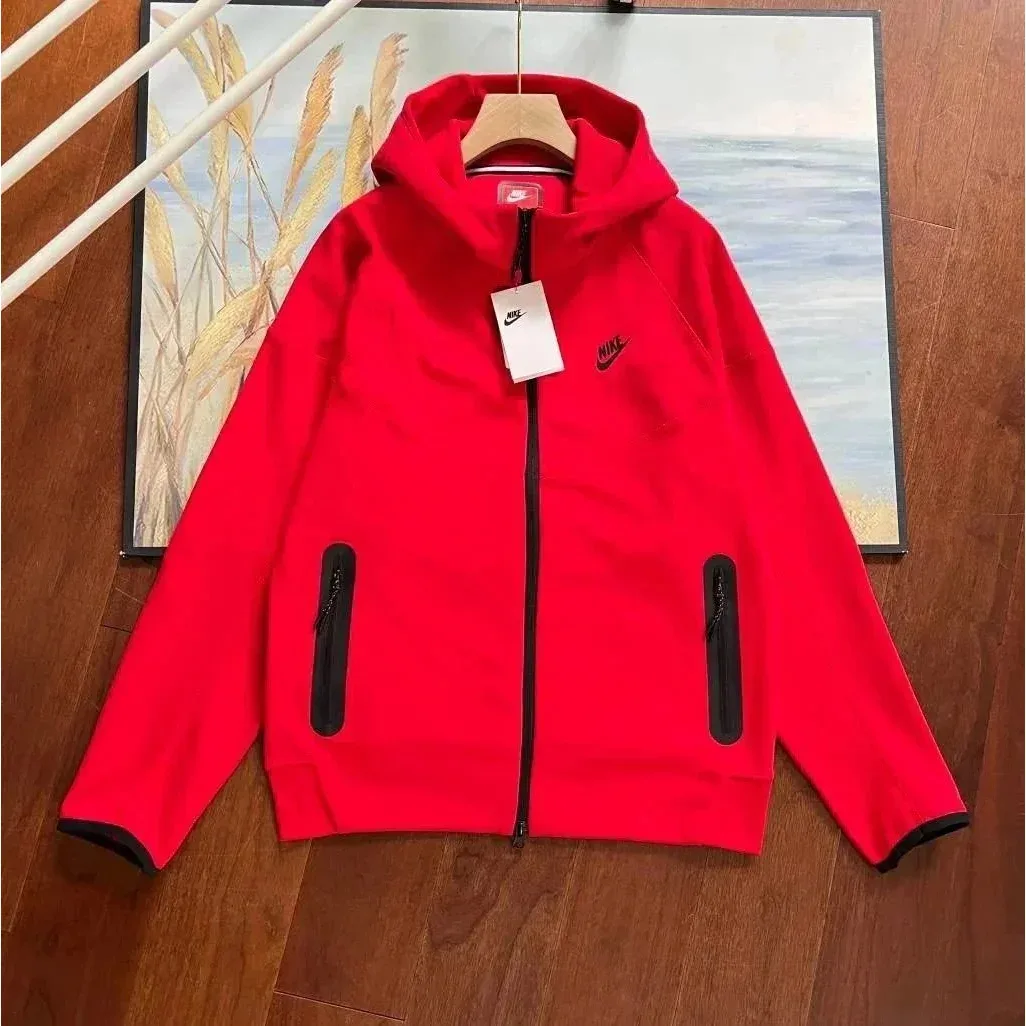
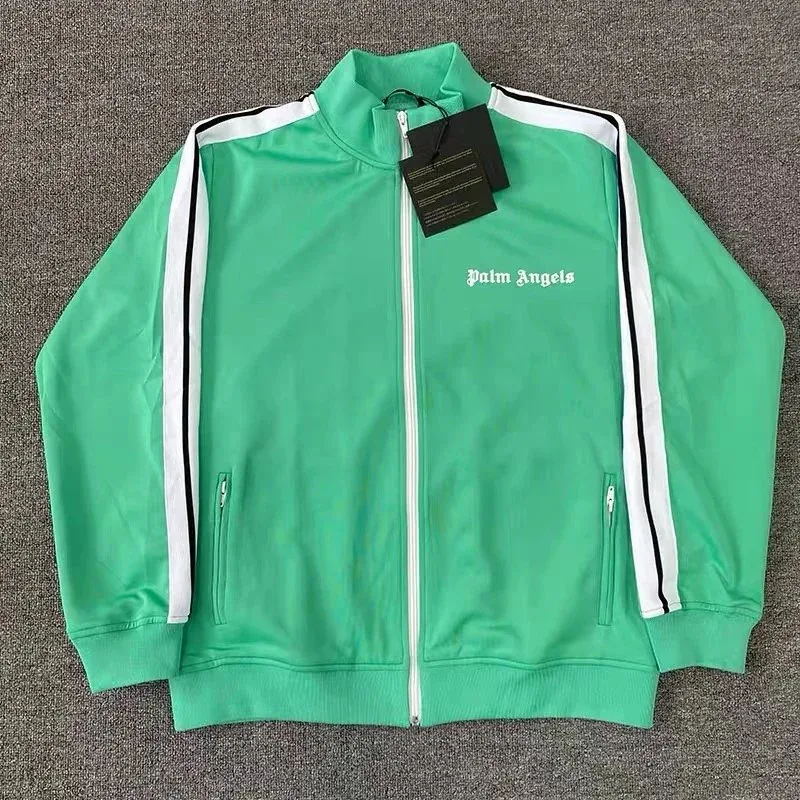
Use seller images for the listed design, QC photos for visible inspection details and buyer photos for a historical order. Check the variant and context each time.
On this page
A seller image, a warehouse QC photograph and a buyer’s arrival image can show the same product in different contexts. Their value lies in the questions they help answer. A clean cover can make a design recognizable, while a close-up or an image with a scale reference supplies information that the cover leaves out.
The scale problem in product presentation
Baymard Institute’s 2017 product-page research reported that 42% of study participants tried to infer a product’s physical scale from its images. Without an image that established scale, participants could form inaccurate impressions of size. This is a historical usability finding, rather than a current survey of every shopper.
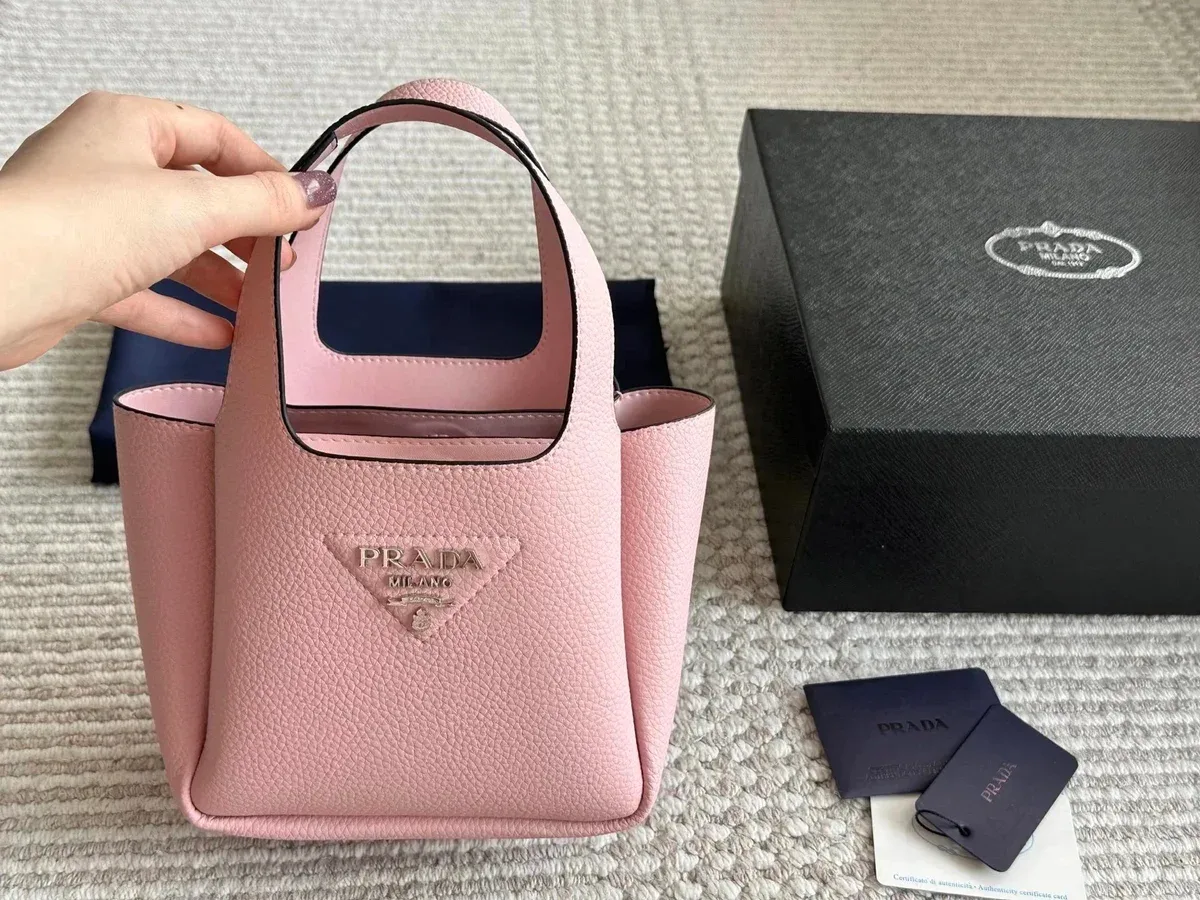
The issue is visible in an everyday comparison: a small bag and a large bag can occupy the same area of two tightly framed photographs. When comparing bag dimensions, keep the listing’s measurements beside the image. The image dimensions are identical, while the product dimensions are not. An image in a known context contributes something different from another isolated angle.
Three image types, three contributions
| Image type | Main contribution | Context that matters |
|---|---|---|
| Seller or catalog image | Recognition of a design, color arrangement or silhouette | Whether the image represents the exact listed option |
| Warehouse QC view | Visible details of the photographed item at inspection | Matching item, variant, view and measurement definition |
| Buyer arrival image | Appearance after delivery, sometimes alongside packaging or other items | The author’s order, date and explanation |
These are complementary roles. A warehouse close-up may show a visible label more clearly than the cover. An arrival photograph may explain the overall selection more clearly than a detail shot. Neither automatically supplies the context of the other.
Useful detail and repeated angles
An additional photograph contributes most when it answers a remaining visual question. A reverse view can resolve a back design; an interior view can reveal a looped or brushed surface; a contextual view can help establish scale. Several near-identical front views may add less information to those particular comparisons.
This is our interpretation of how the image types work together, not a fixed rule about the number of photos a product needs. The relevant question is whether the available views cover the reader’s uncertainty.
Color belongs to the photograph as well as the product
Adobe’s explanation of white balance describes how lighting and camera adjustments affect the colors recorded in an image. An overcast-light image can have a cooler cast, while incandescent lighting can produce a warmer one. The adjustment affects the image’s colors, rather than only objects that are white.
This gives a possible explanation for a familiar comparison: an off-white shoe appears cooler in a catalog image and yellower in an arrival photograph. The difference may deserve attention, but the two images alone do not identify its cause. The photographed option, lighting and image treatment are all relevant context.
A helpful observation is more specific than “the colors are different.” If the box, background and laces all appear warmer in one image, the shift concerns more than a single product panel. That can make lighting a reasonable question to investigate, without proving that the item matches or differs from the listing. The evidence remains the photographs and their known conditions.
A close-up and a measurement have different jobs
Zooming can make a captured label or seam easier to inspect when the image contains sufficient detail. Enlarging a blurry view may simply make the uncertainty more visible. The useful question is what the photograph actually records at a readable level.
A ruler introduces another kind of information, provided its units and position can be interpreted. A ruler laid across a garment records a particular visible measurement. It does not automatically show body circumference, and it does not explain where a separate listing’s measurement was taken.
For bags, the distinction between outer dimensions and usable space is especially clear. A bag listed as 30 cm wide and a device that is 30 cm wide do not establish a fit on those figures alone. The opening, interior compartment and the complete shape still matter. A well-framed image can add context to those questions without replacing the relevant dimensions.
The importance of keeping an album together
A photograph becomes easier to interpret when its surrounding images and source grouping remain available. A front view, label view and reverse view may complement each other in a way that a single image removed from the group cannot preserve.
Grouping also has a limit. A shared album is a source collection; it should not automatically be treated as proof that every image shows the same physical item, size or order. Visible labels and the accompanying description still matter. Several photographs may show different options within a product family.
The product pages on this site retain the source’s album grouping and allow a reader to open the photographs together. That preserves context while leaving the interpretation tied to the images actually shown. A large album and several small albums can contain different kinds of reference material; their counts alone do not establish the breadth of independent buyer experience.
Appearance photos cannot confirm electronic functions. Check the electronic product’s model and included parts, then confirm compatibility and specifications on its full listing.
A disagreement between images
Suppose a cover shows a bag with a long strap, while a warehouse view shows only the body of the bag. The second image does not, by itself, establish that the strap is missing from the order. It establishes that the strap is not visible in that frame. A parts view or a clear statement about included accessories could address the remaining question.
A readable size label provides a different example. If the photographed label identifies a size other than the one being considered, the image concerns another option. It may still help with visible design details, but its dimensions cannot simply be transferred to the candidate size.
These cases show why the strength of a conclusion should match the view. “Not visible here,” “visible in this photo” and “confirmed by the account” describe different evidence. The distinction helps both positive observations and possible problems remain precise enough to investigate.
When a photo comes from an outfit post, match the post to the exact product and variant. A similar look is not confirmation of the same item.
More images and more independent observations
Ten views of one photographed item can reveal more angles. Ten accounts of separate purchases can describe more experiences, if the purchases and relevant conditions are identifiable. The two collections have different strengths, even when their image counts are equal.
There is no automatic failure rate or quality score hidden in either count. A shared gallery is not necessarily a representative sample of every item sold. Its usefulness depends on the questions the available views can answer and the context the contributors supply.
For a product comparison, this gives an image collection a clear purpose. A reader can connect a visible design question with the relevant view, connect a size question with a defined measurement, and connect a wearing question with an actual account. The remaining uncertainty can then be described specifically instead of being concealed by an impressive photo count.
The distinction between a view and an experience
A photograph can record a visible seam or shape. A buyer’s comment may additionally report softness, comfort or fit. Those are different evidence types: an observation in an image and an account of an experience. Keeping the author’s explanation attached to the photograph preserves that distinction.
Our buyer-story galleries retain historical arrival photos and their context. A shared reference still concerns the item or order shown; it is not an inspection of a future purchase. The QC guide covers the actual inspection process. In a product comparison, the aim is to connect each question with the image or account capable of addressing it, while leaving unsupported attributes unresolved.
Sources & editorial notes
Checked on . This article combines independently written analysis with the published evidence below.
- Baymard InstituteProduct Page UX: All Products Need at Least One “In Scale” Image
Published 30 May 2017; historical usability study
Observed attempts to infer physical size from product images, and the role of visual context. The study did not test this website, authenticate products or establish warehouse-inspection standards.
- AdobeSurprising looks with white balance
Current photography explanation checked 21 November 2026
Lighting and white balance can affect the color cast throughout an image. This explains a possible source of photographic differences; it cannot identify the cause of a discrepancy in an unexamined product photo.
Examples and interpretations are identified in the text. Research findings do not establish the quality, availability or performance of individual products in our selection.