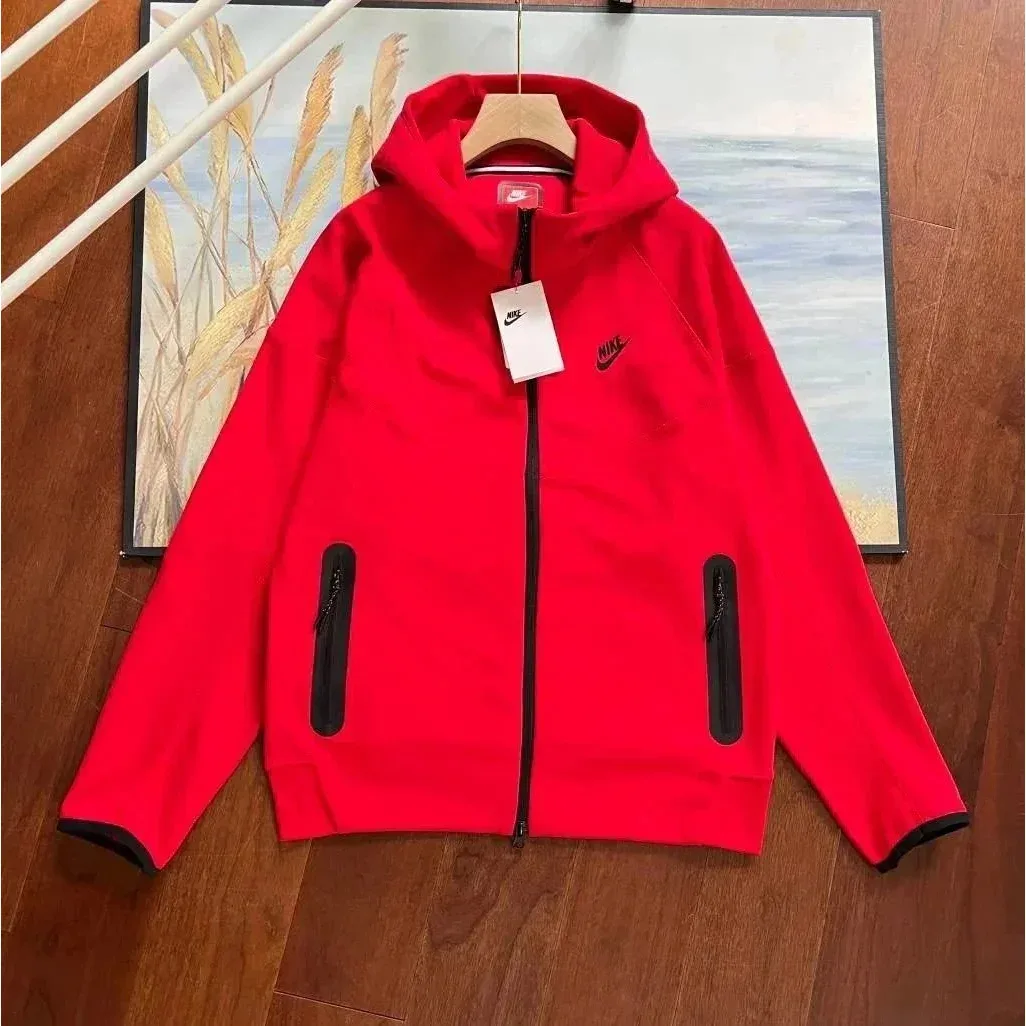
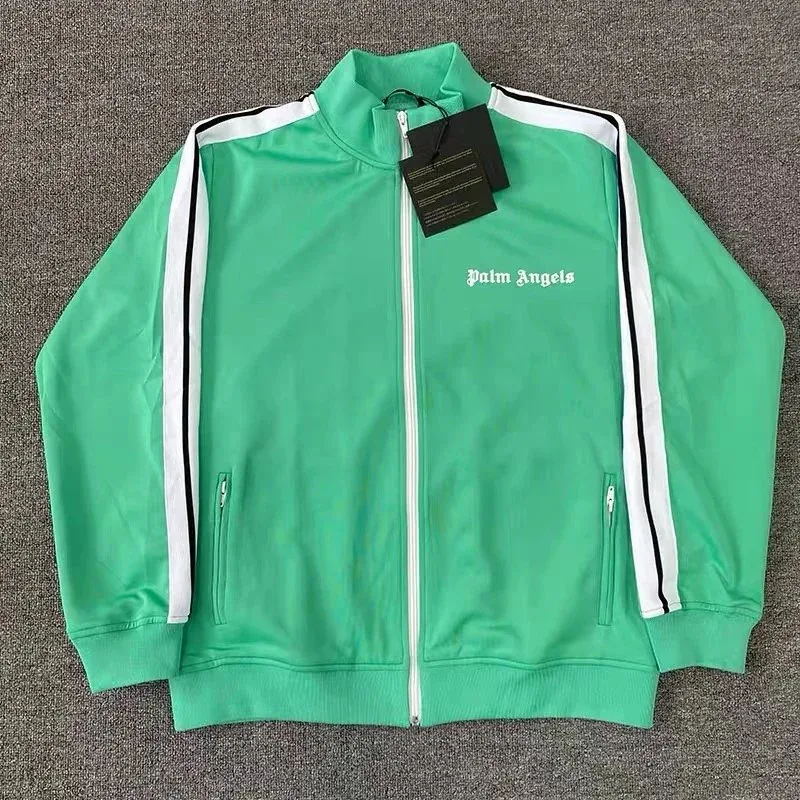
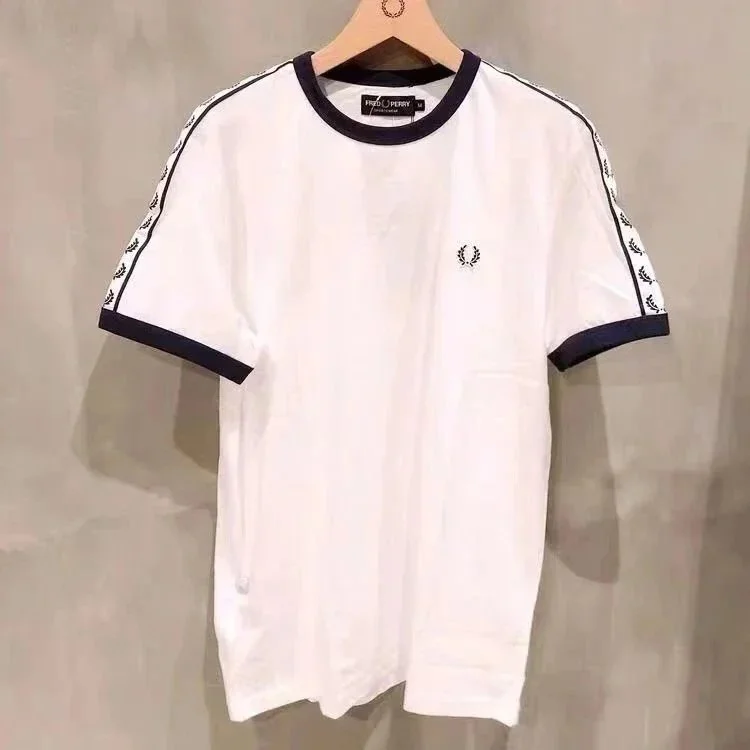
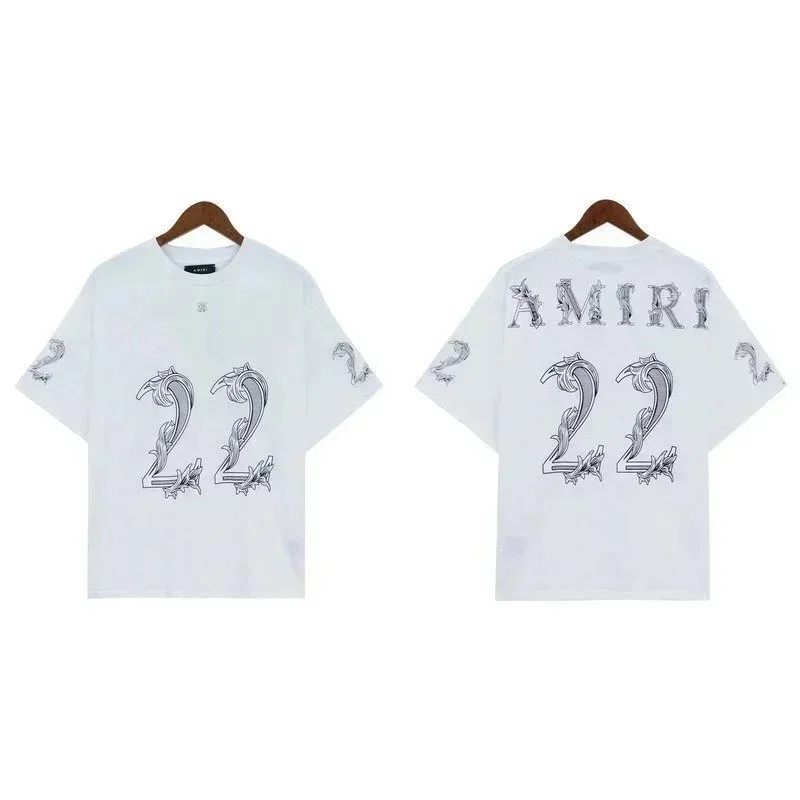
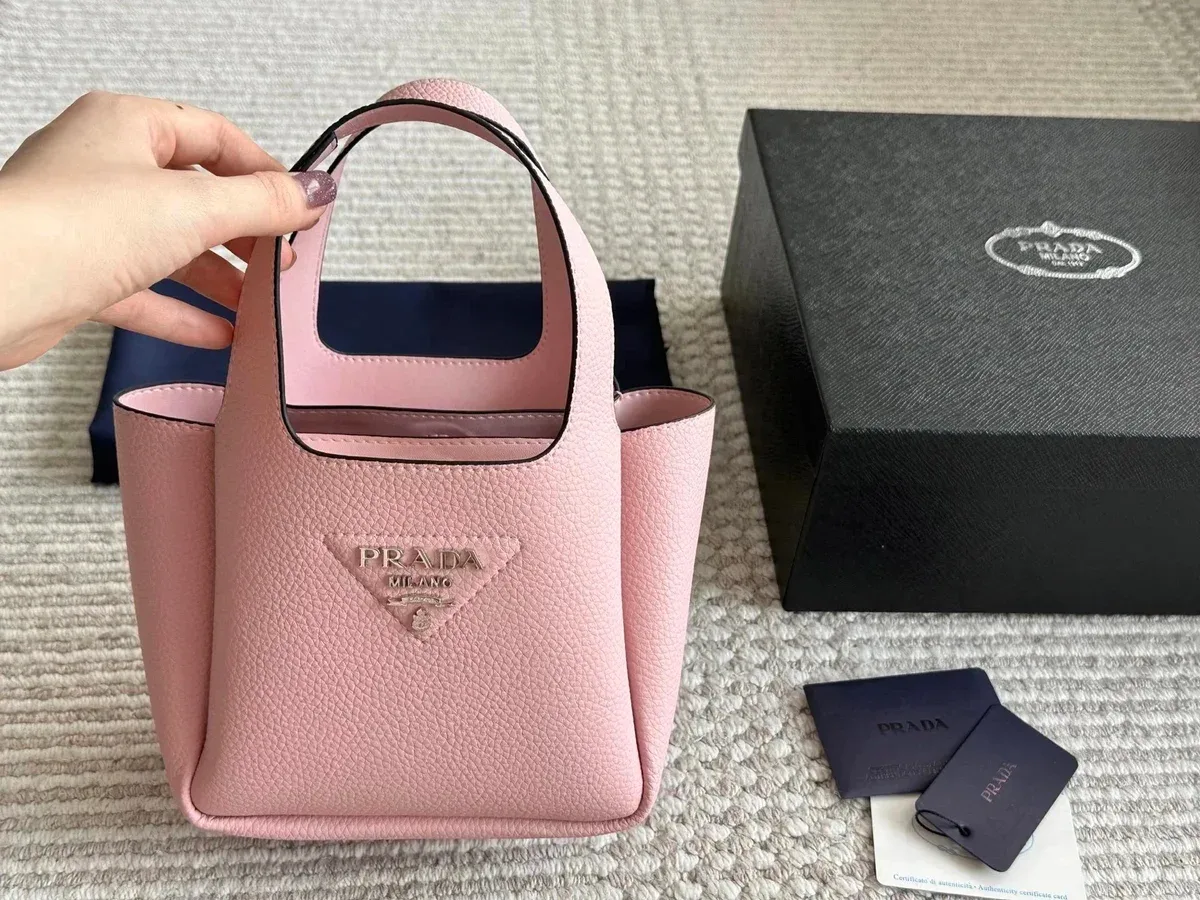
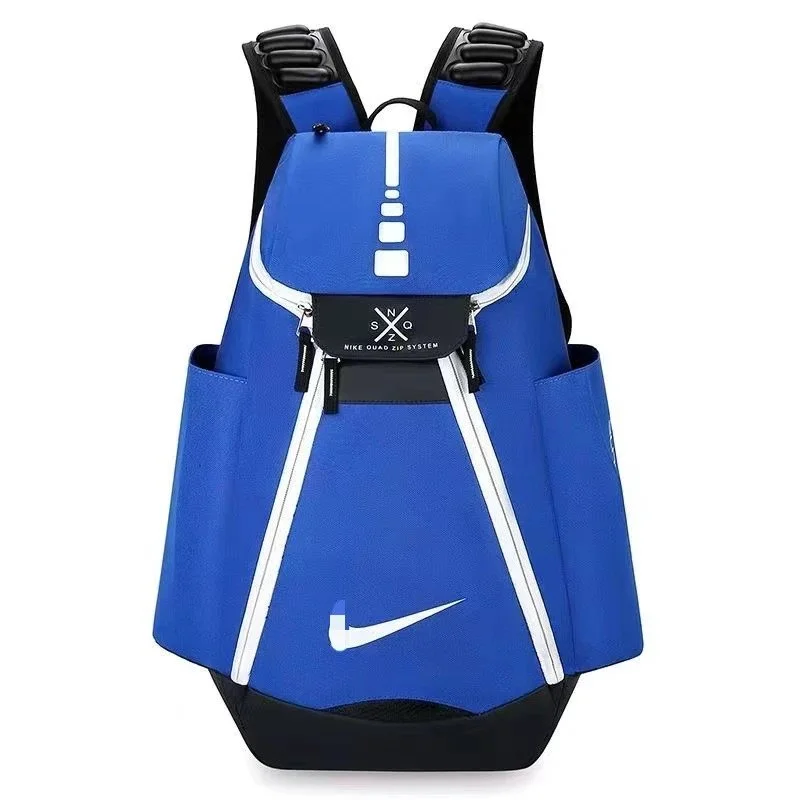
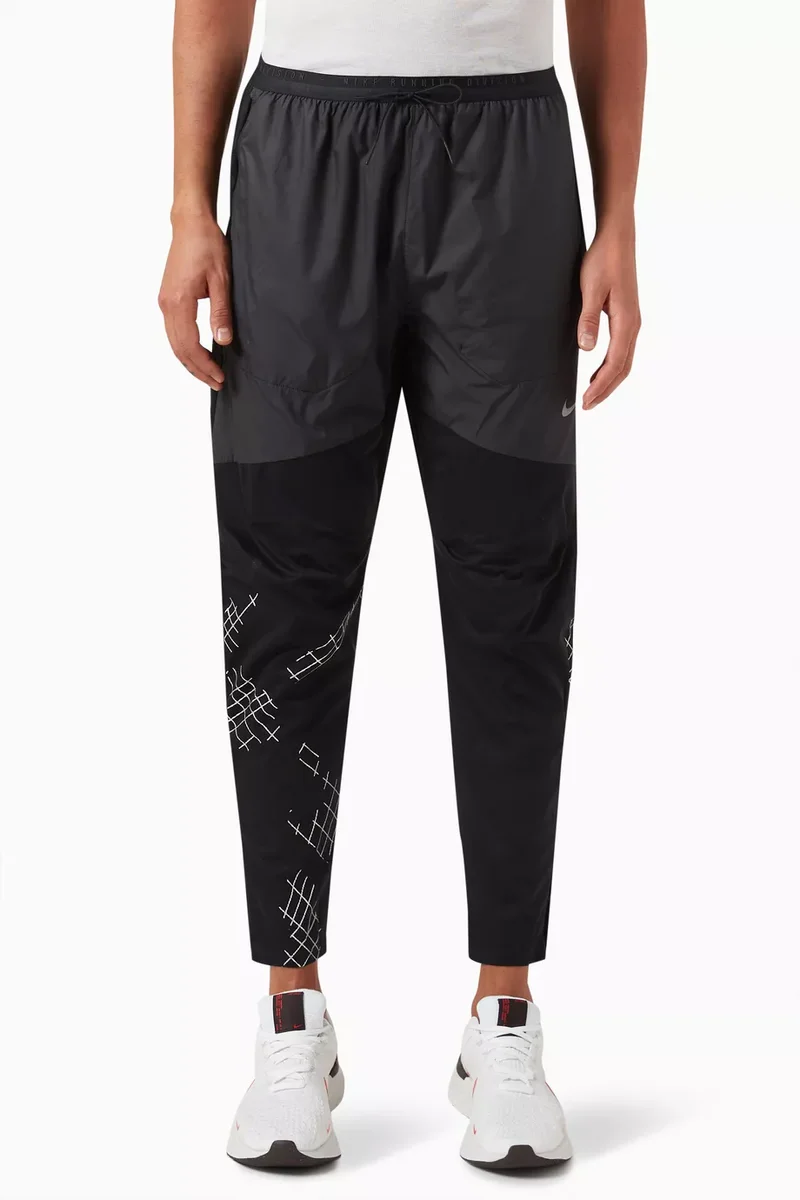
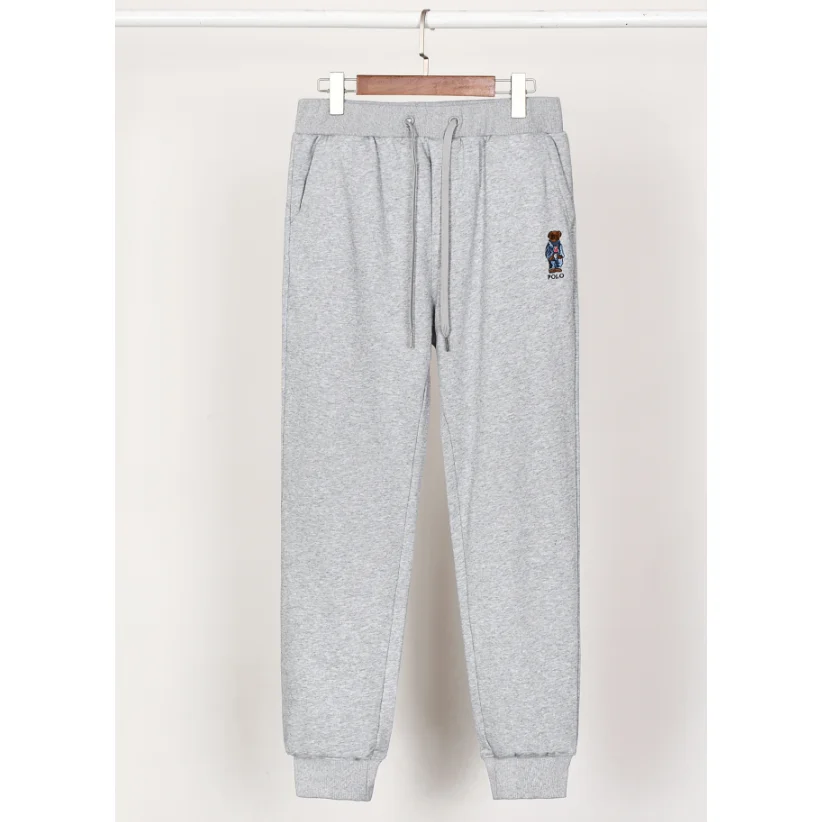
Before saving a product from an outfit recommendation, check that the linked listing matches the model, color and variant shown in the post. Keep the post and the product record together. A similar photo or familiar name is a lead for comparison, rather than confirmation of the exact item.
Look for a stated model, identifiable color and selected option. Compare the visible details that matter: an opening, fastening, print placement or silhouette. If the listing offers several variants, the first cover image may not be the one the author selected.
An outfit shows how pieces work together on one person. It may suggest a color combination or proportion without supplying garment dimensions. A description such as “true to size” needs the wearer, selected option and measurement context to be useful for another person.
For example, a hypothetical post shows a cropped jacket with wide trousers. Another listing has a similar front view but gives no body length. The styling idea can still be useful; the jacket length remains unconfirmed. Compare jacket measurements and the garment measurement method before choosing an option.
A detailed arrival report can add views of the packaging, inside finish or item after delivery. Keep the author, date and order context with those observations. Reported freight and delivery time belong to that historical transaction.
Before using an older recommendation, reopen the full listing and confirm the selected option, current item price and information available. Keep the original outfit lead if it still helps you compare the look, but update the product facts from the exact listing.
DHL’s June 2025 e-commerce report surveyed 24,000 online shoppers across 24 markets and describes the role of social shopping. That provides background for the path from a post to a product; it does not verify an individual recommendation or predict this site’s results.
The matching checklist above is our editorial method for preserving information during that path. It works by identifying the exact option, separating observations from assumptions and keeping unanswered questions visible.
Follow the chain from outfit image to selected option
A recommendation often passes through several records: the original outfit, a repost, a saved product card and a full listing with multiple choices. Each transition can lose context. The repost might omit the selected size, while the product card might use the first image from a different color. Keep the original post URL and the exact listing together so you can retrace the match.
Treat three questions separately. First, does the link identify the same model? Second, does the selected option match the pictured color and version? Third, do the dimensions suit your own intended fit? A strong answer to the first question does not supply an answer to the third. This is why a useful outfit recommendation can still leave a substantial measurement question.
- Identify the original outfit and the item within it.
- Follow the actual product link rather than matching only by a familiar name.
- Select the pictured variant in the full listing where it is identifiable.
- Save the model and option with the relevant image.
- Check your own fit requirements before treating the match as a buying decision.
Worked example: two black jackets that are not interchangeable
Imagine a post showing a short black zip jacket over a long T-shirt. The linked listing offers two options with almost identical cover photos. In this hypothetical example, the important difference is not whether both look black on screen. It is the length and construction of the option the post actually shows.
| Detail | Option A | Option B |
|---|
| Body length in the listed size | 62 cm | 71 cm |
| Visible fastening | Two-way zipper | Single zipper |
| Hem description | Elasticated | Straight |
| What the outfit post identifies | Exact option not stated | Exact option not stated |
Both may be leads, but neither is confirmed by the post. Ask which option the author wore, or record that the match is unresolved. If the aim is to recreate the short-over-long proportion, B’s extra 9 cm matters even though the cover looks similar. You can prefer B for a different outfit, but that is a new styling choice rather than proof that the recommendation was an exact match.
Look for identifying features together: pocket placement, hem, fastening, print position and the stated model. One matching feature is weak identification when many products share it. Conversely, a clear difference in a feature essential to the look can be enough to stop calling the products the same version.
Recreate the relationship between garments, not only the names
An outfit can work because of relationships: where the jacket ends relative to the top, how trousers fall over shoes, or how a bag sits beside the body. Naming the same categories does not preserve those relationships. A shorter jacket, wider trouser leg and smaller bag can produce a different result while still being described as a black jacket, jeans and a shoulder bag.
Start with one piece you already own. If the goal is to wear a new jacket with your current trousers, compare the jacket’s length and hem with that outfit. You may discover that you want the same general idea but a different product. That is a useful outcome: the post supplied inspiration, while your own clothes supplied the reference for proportion.
Avoid estimating an unknown garment length from the author’s height alone. The photograph may have a different angle or framing, and the selected garment size may not be stated. Use a clearly defined product measurement when the length is important, and leave any remaining visual impression labelled as an impression.
Read fit comments and commercial context carefully
A helpful fit comment identifies the selected option, the wearer’s preference and what was actually experienced. “I chose a loose fit” gives different information from “the fabric feels soft,” while “the seller says it is oversized” is a report of listing language. Keep these statements separate so a repeated claim does not become several independent experiences in your notes.
Check whether a post states that an item was gifted, sponsored or linked through an affiliate arrangement. Such a disclosure describes the relationship around the recommendation; it does not by itself prove or disprove the product claim. Continue checking the exact item and the evidence for the particular statement that matters to you.
If comments disagree, look for differences in size, version, date and the question being answered. One person may discuss the loose body while another discusses short sleeves. The disagreement can point to two dimensions worth checking rather than a simple choice between a positive and negative verdict.
What to do when a saved recommendation changes
A saved link can remain usable while the selected color disappears, or a product page can change the images used for its options. Reopen the exact listing and check the current choices before using an old recommendation. Keep the old post for its styling idea, but update the available-option record from what the listing actually shows now.
If the original item is unavailable, write down the features you want to preserve before looking for a substitute. For the jacket example, that could be short body length, a particular hem and a two-way zipper. Then compare alternatives against those features. Calling a substitute “similar in these respects” is clearer than presenting it as the original recommendation.
A broken link is also a good point to reconsider the brief. You may only want the color combination, or you may specifically want the original construction. The first task leaves room for alternatives; the second may remain unresolved. Knowing which task you have avoids endless searches for something that merely resembles a cropped photograph.
Ask for the missing detail in one focused message
A useful request identifies the post and the exact item: “Which jacket option and size are shown in this outfit? I am comparing body length and the two-way zipper.” If contacting a seller about a candidate, include the chosen listing option and ask for its measurement rather than asking them to identify an unrelated image without context.
Save the response with the original record. An answer about one size should not become a statement about every size, and a response about color should not be stretched into a composition claim. When an answer solves only part of the question, keep the remaining part visible. This makes the recommendation more useful even if you ultimately choose a different item.
For a complete comparison record, continue with the product shortlist checklist. For the selected garment’s dimensions, use the clothing measurement method. These next steps keep product identity and personal fit connected without treating them as the same question.
Three common outfit-link questions
Does a matching photo mean the item is identical? A shared or similar image is a lead. Check the model, selected version and defining details. The image alone does not establish what a different listing will supply.
Should I choose the author’s size? The author’s size tells you what that person selected. It becomes more useful alongside garment dimensions and their intended fit; it is not a personal size rule for another reader.
Can I use an old delivery report to plan a current order? Preserve it as the author’s historical experience. Check the current ordering and shipping information separately. The useful part of an old outfit may be its styling, even when its price, availability or delivery circumstances have changed.